
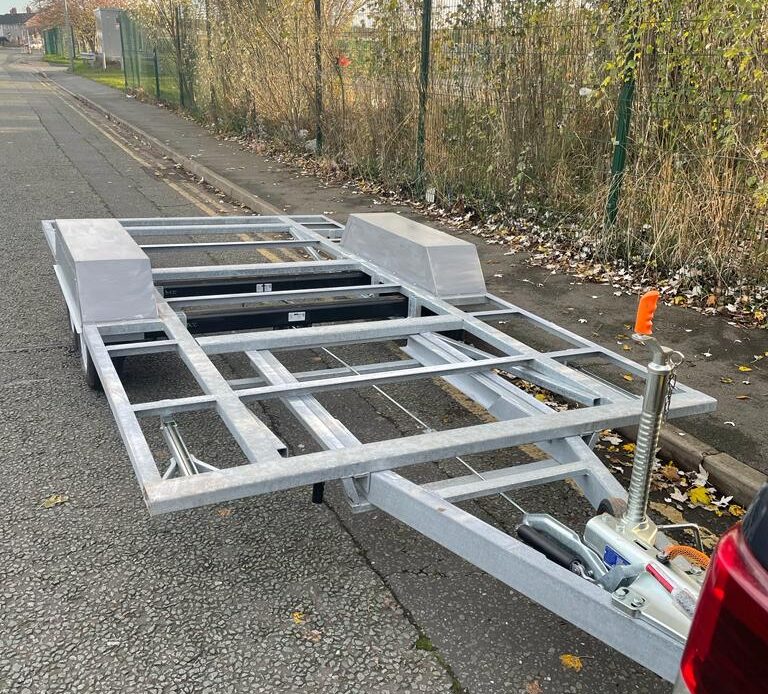
Protecting Your Trailer from Hidden Damage
Your trailer’s chassis and frame are its backbone, providing structural integrity and supporting the weight of the cargo you transport. Ensuring the frame is free from damage is crucial for both the safety and longevity of your trailer. While many trailer owners focus on the exterior or components like the tyres and lights, the chassis and frame often go unnoticed—until hidden damage leads to costly repairs or safety issues. At Elston Trailers, we understand the importance of regular chassis and frame inspections and are committed to helping you protect your trailer from potential damage that could compromise its performance. This guide will explain why chassis and frame inspections are vital, common signs of damage to look for and how to prevent and repair damage to your trailer’s frame and chassis.
Why Chassis and Frame Inspections Are Critical
The chassis and frame of your trailer serve as its foundation. They bear the weight of the load and provide stability during transport. Over time, the stresses from hauling heavy cargo, road conditions and environmental factors can take a toll on the frame. Hidden damage can compromise the structural integrity of the trailer, leading to safety risks like reduced towing capacity, unstable handling or even a failure to handle a heavy load.
A regular chassis and frame inspection can catch issues before they become serious, protecting you from unexpected breakdowns or accidents and helping you maintain the trailer’s longevity. Early detection of problems such as cracks, rust or misalignment can prevent extensive and expensive repairs, keeping your trailer in service for longer and reducing downtime.
Signs of Hidden Frame and Chassis Damage
Unlike visible parts of your trailer, the chassis and frame are often hidden beneath other components, making it difficult to spot damage with a simple visual inspection. However, several signs may indicate that your trailer’s frame and chassis need a more in-depth evaluation:
- Uneven Wear on Tyres: If the tyres are wearing unevenly or excessively, it could indicate that the trailer’s frame is misaligned. A misaligned frame can cause tyres to bear more load than they should, leading to premature wear and compromised handling.
- Bouncing or Swerving During Towing: If your trailer bounces or swerves while being towed, it may be a sign that the frame or chassis is damaged, possibly due to cracks or structural misalignment. This can affect the trailer’s stability and your ability to safely tow.
- Unusual Noises or Vibrations: If you notice strange noises or vibrations coming from your trailer while driving, it could indicate that the frame or chassis is compromised. These sounds often stem from loose, damaged or misaligned components that are no longer securely connected.
- Visible Cracks or Dents: Although hidden damage is often the concern, sometimes you may spot cracks, dents or deformations on the frame or chassis during an inspection. Cracks in the metal can lead to further damage and should be addressed immediately.
- Rust or Corrosion: Exposure to the elements, particularly road salt and moisture, can cause rust to form on the frame. While surface rust may not cause immediate issues, it can eventually weaken the metal and lead to structural failure.
How to Inspect the Chassis and Frame of Your Trailer
Regular chassis and frame inspections should be part of your trailer’s overall maintenance routine. Here’s how to properly inspect the chassis and frame for potential issues:
- Start with a Visual Inspection: Begin by inspecting the entire frame for visible signs of damage. Check the trailer’s main beams, crossmembers and other structural parts for cracks, bends or dents. Pay particular attention to high-stress areas such as where the axles, suspension and hitch are attached.
- Check for Rust and Corrosion: Look for signs of rust or corrosion, especially in areas where moisture can accumulate, such as near the wheel wells, undercarriage or joints. If you spot surface rust, clean it off with a wire brush and inspect further for deeper corrosion. If the rust appears to be penetrating the metal, the affected parts may need to be replaced.
- Check the Alignment: Misalignment is a common issue in trailers, often caused by heavy loads or impacts. Use a level or measuring tape to check for misalignment in the chassis. Ensure that all parts of the frame are symmetrical and that the axle is positioned correctly. Misalignment can affect towing stability and lead to uneven tyre wear.
- Inspect the Suspension Mounts: The suspension system is directly connected to the frame and any issues with the suspension can lead to structural problems. Check the suspension mounts for cracks or signs of wear. Ensure that all bolts and fasteners are securely in place.
- Test for Flexing or Movement: If you can access the frame without the trailer being loaded, test the chassis by applying some pressure. Flexing or unusual movement can indicate a weakened or compromised structure. This test can help identify areas of stress that might not be immediately visible.
- Examine the Welding and Joints: The welds that join different sections of the frame should be inspected carefully. Look for any signs of cracking or separating welds. Cracks around welds can significantly affect the structural integrity of the trailer and should be addressed immediately.
- Look for Leaks in the Brake Lines (if applicable): If your trailer has a brake system that’s integrated into the frame, check for leaks in the brake lines or damage to the braking mechanism. A compromised brake line could be a sign of frame damage that’s affecting the integrity of the trailer’s entire braking system.
Preventing Frame and Chassis Damage
While damage to the chassis and frame is inevitable over time, there are steps you can take to minimise wear and prevent extensive damage:
- Avoid Overloading: Consistently overloading your trailer puts unnecessary stress on the frame and chassis. Always adhere to the manufacturer’s weight limits to prevent structural damage from excessive strain.
- Ensure Proper Weight Distribution: Distribute weight evenly across the trailer to avoid stressing one part of the frame more than another. Improperly balanced loads can cause the frame to bend or twist over time.
- Regularly Clean and Inspect: Dirt, grime and road salt can accelerate rust and corrosion. Regularly cleaning the undercarriage of your trailer, especially after trips in wet or salty conditions, will help prevent rust and keep the frame in good condition.
- Protect the Frame with Coatings: Consider using protective coatings designed for trailer frames, which can help prevent rust and corrosion. These coatings create a barrier that protects the metal from moisture and debris.
- Store Your Trailer Properly: When not in use, store your trailer in a dry, covered area to prevent exposure to the elements. A tarp or trailer cover can also help keep moisture and dirt from accumulating on the frame.
Repairing Structural Damage to the Chassis and Frame
If damage is found during your inspection, it’s essential to address it quickly to prevent further deterioration. Depending on the extent of the damage, the repair process can vary:
- Welding and Fabrication: If the frame has cracks or fractures, welding is often the best solution. A professional welder can repair or reinforce the damaged areas, restoring the structural integrity of the frame. In cases of extensive damage, new sections of the frame may need to be fabricated and welded in place.
- Straightening and Realigning the Frame: If the chassis is misaligned, it can be straightened using specialised equipment. This process ensures that the trailer remains stable when towing and prevents uneven wear on tyres.
- Repainting or Coating the Frame: After repairs, it’s essential to apply a rust-resistant coating or fresh paint to the repaired area to protect it from future corrosion.
When to Seek Professional Help
While some minor chassis and frame issues can be addressed by experienced DIYers, many repairs require professional expertise. If you’re unsure about the severity of the damage or don’t have the necessary equipment to handle welding or straightening the frame, it’s best to consult a professional. At Elston Trailers, our experienced technicians can perform detailed chassis and frame inspections, identify hidden damage and provide high-quality repairs to restore your trailer to its optimal condition.
Conclusion
The chassis and frame are critical components of your trailer that support its entire structure and ensure safe transportation. Regular inspections and maintenance are key to detecting and preventing hidden damage that could compromise the trailer’s performance. By identifying signs of damage early and taking proactive steps to prevent wear, you can extend the lifespan of your trailer and avoid costly repairs. At Elston Trailers, we specialise in chassis and frame inspections and repairs, helping you keep your trailer in top condition. If you suspect structural damage or need a professional inspection, don’t hesitate to reach out to our team for expert advice and service.